
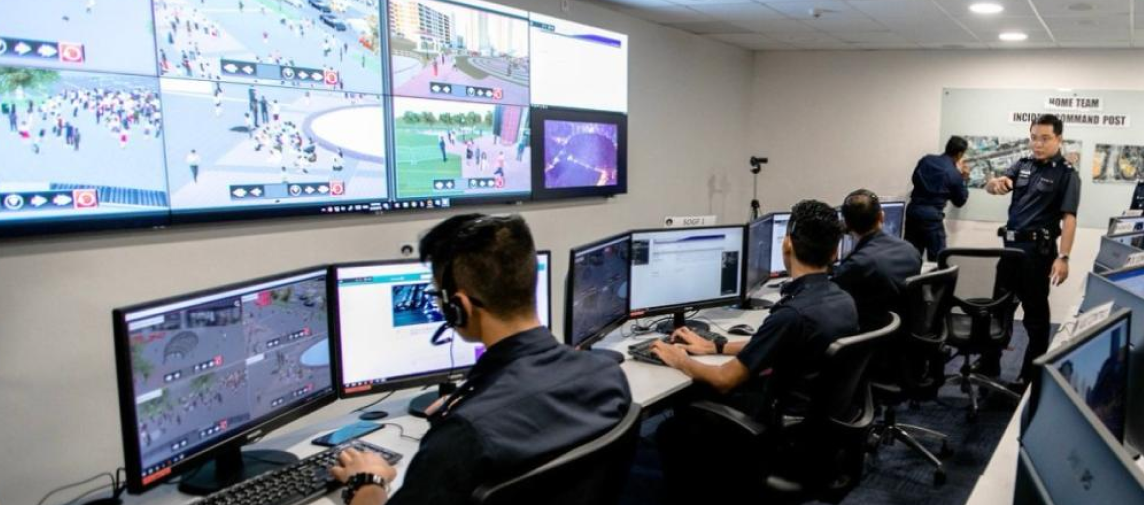
In recent years, the global private security market has experienced significant growth, with projections indicating a size of $531.5 billion by 2032, growing at a CAGR of 7.8% from 2023 to 2032, as per Allied Market Research. This expansion underscores the critical importance of having a highly skilled and well-trained security workforce.
However, a survey conducted by the Security Industry Association (SIA) revealed a concerning statistic: nearly 60% of security firms identified inadequate training as a major challenge, impeding their ability to address evolving security threats effectively.
The industry's reliance on traditional training methods has often proven insufficient to meet the evolving demands of the security landscape and frequently falls short of national and international best practices. Technological advancements now offer a compelling solution, enabling private security firms to elevate their training programs to unprecedented levels of effectiveness, efficiency, and relevance.
Enhanced Learning Experience
Technology introduces innovative tools that significantly enhance the learning experience for security personnel. Interactive simulations, virtual reality (VR), and augmented reality (AR) create immersive environments that replicate real-world scenarios. These methods promote active learning and improve retention of critical skills.
Accessibility and Flexibility
Traditional training methods often face constraints related to time, location, and resources. Technology overcomes these barriers through online learning platforms, mobile applications, and e-learning modules that allow personnel to train anytime and anywhere. This flexibility improves accessibility while minimizing disruption to daily operations.
Data-Driven Insights
Modern training platforms enable the collection and analysis of performance data. Using analytics and artificial intelligence (AI), organizations can personalize training content, identify skill gaps, and monitor progress. These insights help optimize training effectiveness and ensure continuous improvement.
Skill Development and Scenario-Based Training
Technology enables immersive scenario-based exercises that strengthen decision-making, communication, and problem-solving skills. Simulated emergency and threat scenarios provide hands-on experience in a safe, controlled environment, preparing personnel for real-world situations.
Compliance and Legal Training
Compliance is critical in private security. Technology-driven modules use multimedia content, case studies, and assessments to educate personnel on laws, regulations, and ethical standards, ensuring operations remain within legal boundaries.
Continuous Professional Development
Online courses, webinars, and virtual workshops support ongoing skill development. Technology also enables peer collaboration through digital communities, fostering a culture of continuous learning across the security workforce.
1. Technological Infrastructure and Resources
Successful implementation requires robust infrastructure, including reliable hardware, software, and network connectivity. Organizations must invest appropriately to ensure seamless access to digital training resources.
2. Security and Data Privacy
Digital training platforms must be protected against cyber risks. Organizations should implement strong data protection measures and comply with privacy regulations to safeguard sensitive training information.
3. Adoption and Engagement
Resistance to change and limited digital literacy can slow adoption. Effective change management, intuitive platforms, and targeted onboarding programs are essential to drive engagement with technology-enabled training.
The integration of technology into private security training represents a transformative leap forward. It addresses the industry's challenges while building a skilled, agile, and future-ready security workforce.
At RAXA Academy, technology is not just an enhancement but a strategic foundation for modern training. By combining advanced technologies with bespoke methodologies, we ensure our personnel are prepared to meet today’s security challenges and adapt to tomorrow’s evolving risks.
Quisque rutrum. Aenean imperdi. Etiam ultricies nisi vel augue. Curabitur ullamcorper ultricies nisi. Nam eget dui. Etiam rhoncus. Maecenas tempus, tellus eget.