
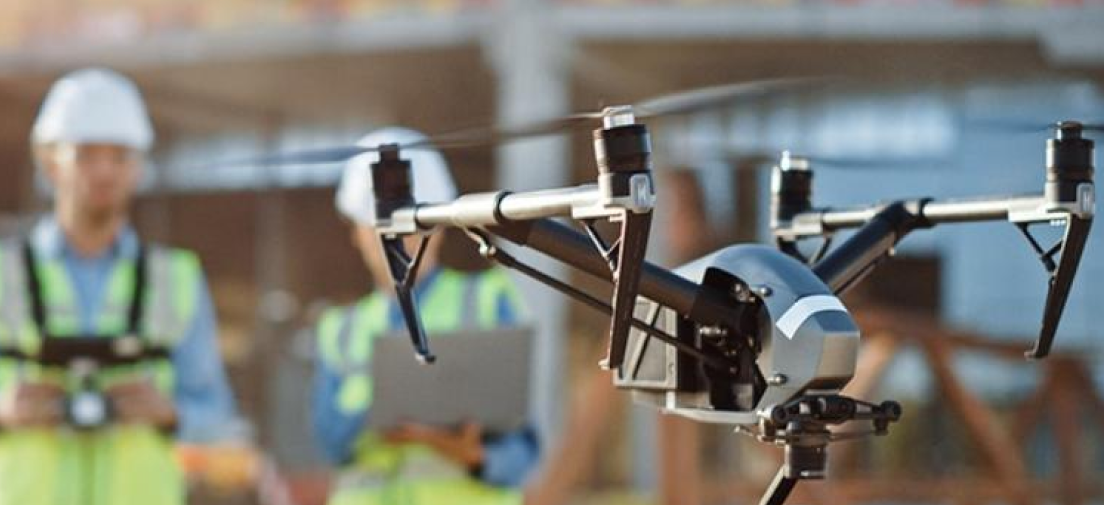
Earning your drone pilot certification is an important first step, but being a truly skilled and effective drone operator requires mastering several additional abilities. As the commercial drone industry continues to expand rapidly, pilots who go beyond the basics will be in high demand. Here are some essential skills that separate the best drone pilots from the rest:
Mastering basic maneuvers isn't enough. Hone your skills in manual flight, precision hovering, and navigating challenging environments. This ability is critical for capturing high-quality data and imagery.
Understand different camera types, sensors, and payloads and how to optimize them for specific missions. This is essential for industries such as agriculture, construction, and emergency services.
Familiarity with flight planning software, data processing tools, and post-production software is essential for efficient workflows and real-time tracking.
Develop meticulous planning skills by considering weather, airspace regulations, hazards, and contingency plans to ensure safe missions.
Maintain constant vigilance during flight by monitoring airspace, weather changes, and obstacles to make quick, informed decisions.
Learn proper data collection techniques and efficient data management practices, including photogrammetry, thermal imaging, and mapping workflows.
Clearly communicate objectives, timelines, and deliverables while collaborating effectively with stakeholders.
Develop budgeting, scheduling, and resource allocation skills to deliver projects on time and within budget.
Understand market trends, identify clients, and promote your drone services effectively.
Drone regulations evolve frequently. Stay compliant with local and national aviation authorities.
Taking Up New Technologies
Continuously learn new drone technologies, software updates, and industry innovations to stay competitive.
Be prepared to handle unexpected challenges and troubleshoot issues during missions.
Understanding composition, lighting, and editing enhances the quality of deliverables.
Troubleshooting minor technical issues reduces downtime and improves operational efficiency.
Drone operations often require stamina and the ability to work in outdoor environments.
As demand for drone services continues to rise, certification alone is no longer enough. To truly excel and stand out in this dynamic industry, pilots must continuously develop a diverse set of technical, operational, and professional skills beyond the classroom.
Quisque rutrum. Aenean imperdi. Etiam ultricies nisi vel augue. Curabitur ullamcorper ultricies nisi. Nam eget dui. Etiam rhoncus. Maecenas tempus, tellus eget.